
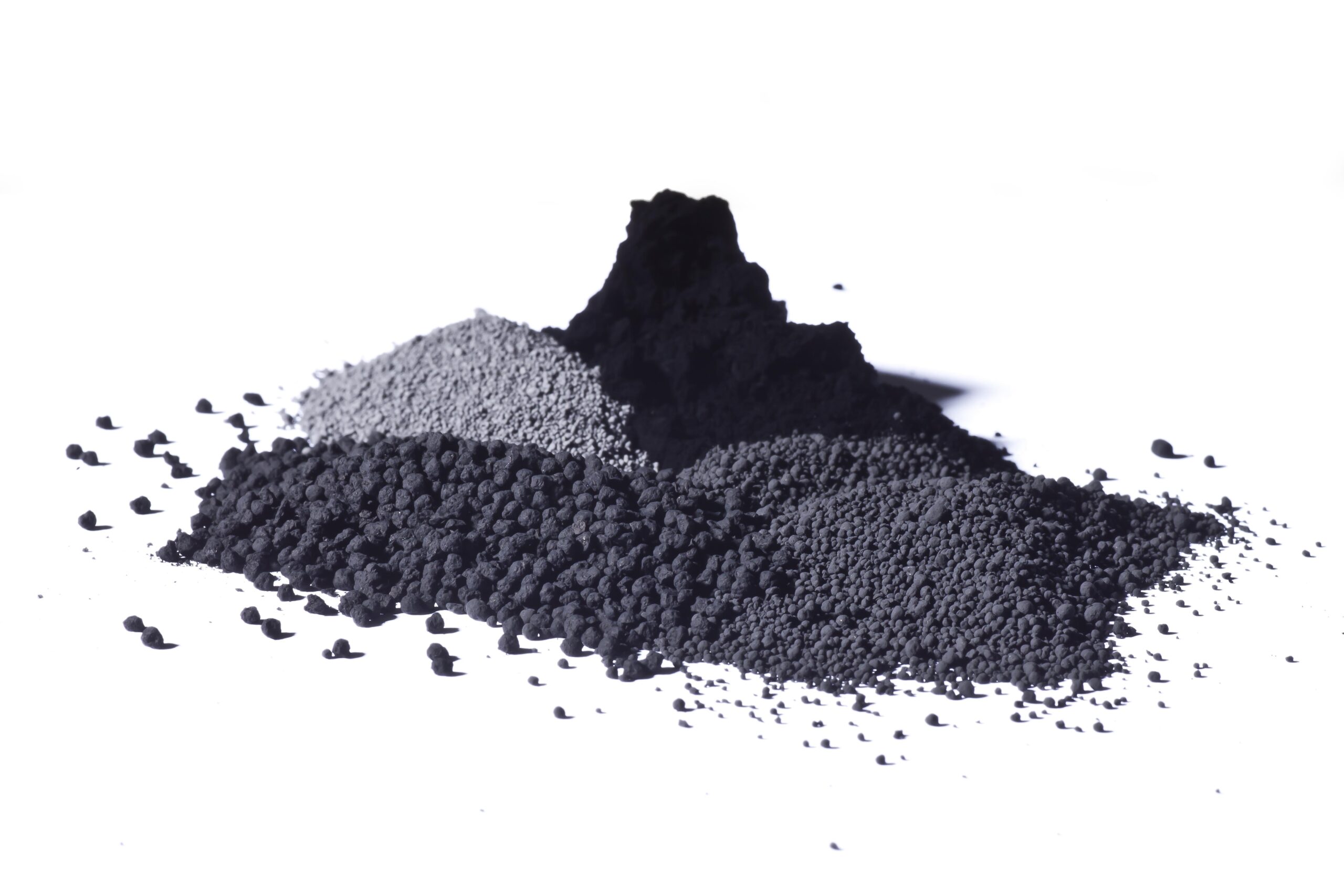
The terms carbon black and soot have often been used interchangeably. However, they are not the same. Carbon black and soot are different substances with distinct physical and chemical properties.
Carbon black is made by partially burning or breaking down gaseous or liquid hydrocarbons under highly controlled conditions. Its production is intentional and designed to create a material with high purity and consistent quality. The risk of exposure to airborne carbon black is much lower because the material is bound in products like tires, plastics, coatings or batteries.
In contrast, soot is an unwanted byproduct of burning carbon-based materials for heat, energy or waste disposal. Soot often contains harmful chemicals, including carcinogens and heavy metals. Because soot particles can stay airborne and enter the lungs and bloodstream, they pose serious risks such as respiratory disease, heart problems and cancer.
Because of these differences, health concerns related to soot (often called “black carbon”) should not be confused with those related to carbon black.
It is important to distinguish between carbon black – a manufactured material – and the unintentionally produced materials of soot in studies of nanotoxicity, environmental impact and human health.