
Carbon black is one of humanity’s most ubiquitous ancient materials — and arguably the oldest synthetic form of carbon. Its story spans thousands of years, from the walls of ancient temples to the tires on modern highways.
Origins in Antiquity
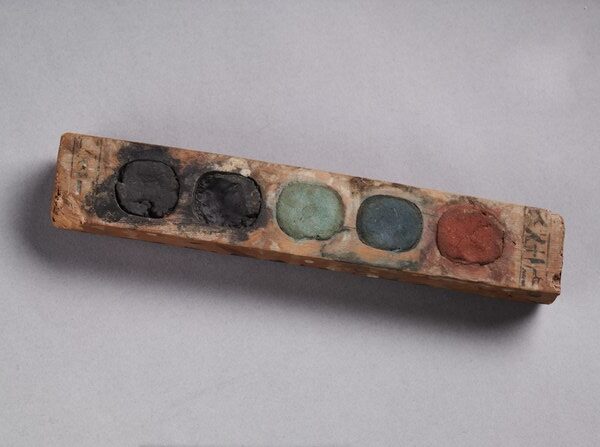
The use of carbon black can be traced back more than 3,500 years. Ancient civilizations in China and Egypt relied on it to create inks and paints for wall paintings and manuscripts. Later, the Greeks and Romans produced carbon black on a manual scale to meet their growing need for black pigments in inks and architectural decoration.
 Vitruvius and Classical Knowledge
Roman master builder Vitruvius documented the production of carbon black from pine resin in his seminal work, De Architectura. This detailed account became a cornerstone of classical knowledge and influenced building practices for centuries.
Medieval Expansion
The Middle Ages marked a turning point. After the invention of the printing press in the 15th century, demand for black pigments surged. Carbon black’s coloring power became more important for book production. Many small and medium-sized workshops adopted the lamp black process to manufacture it.
Modern Significance
Despite its ancient roots, carbon black remains a material of scientific interest. Its versatility allows for countless variations, making it essential in modern life. Today, carbon black is a critical component in:
- Automotive tires
- Plastics and polymers
- Electronics
- Coatings and inks
- Batteries
Indeed, many everyday products we take for granted would not be possible without carbon black.
For a deeper dive into the world of carbon black, check out this article by Orion scientists: “Carbon Black” in the Encyclopedia of Polymer Science and Technology Online, available on the Wiley Online Library.